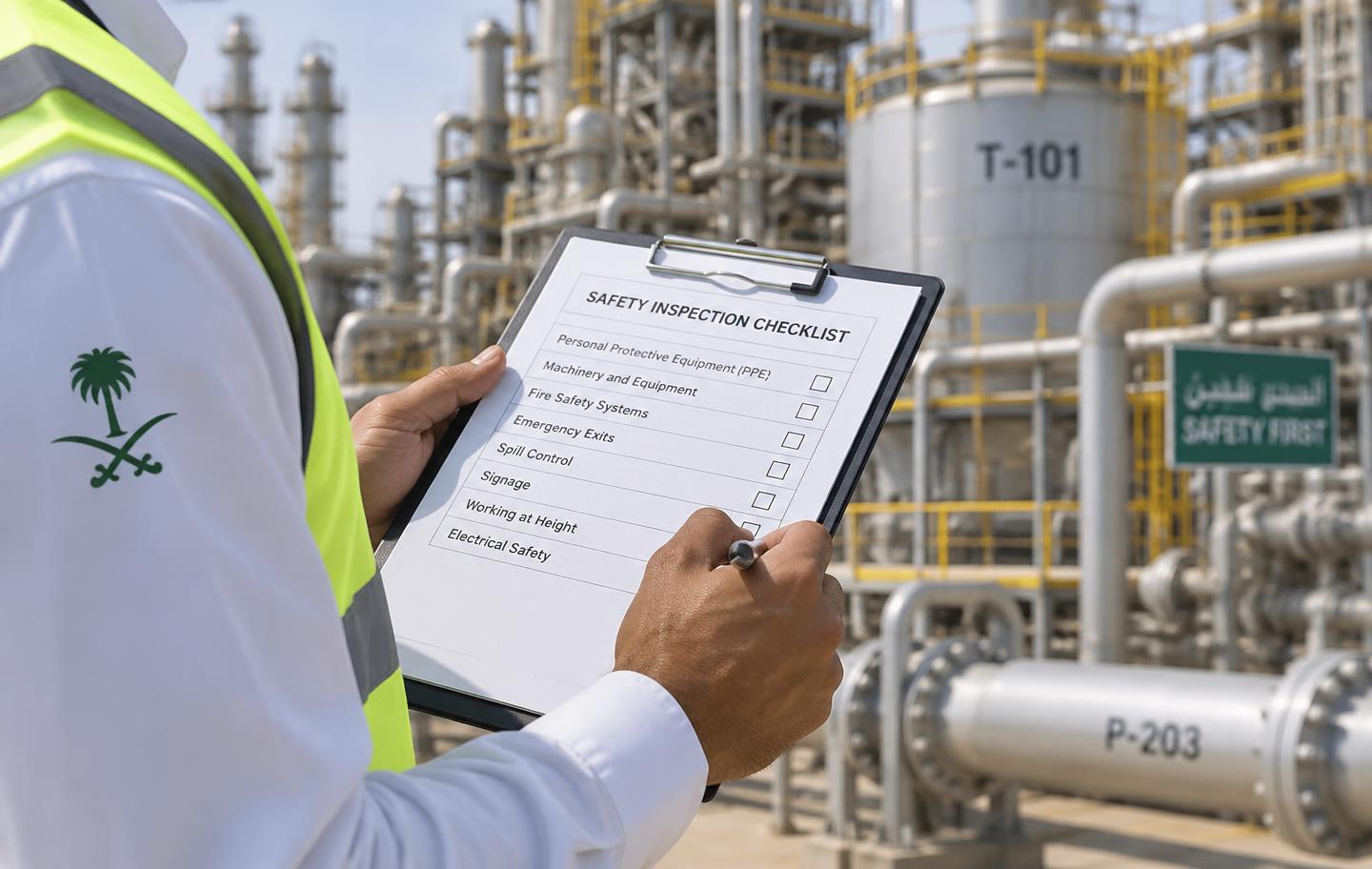

Environmental rehabilitation planning is an important component of environmental compliance for facilities operating in Saudi Arabia. Depending on the nature of their activities, facilities may be required to prepare rehabilitation plans before commencing operations, during operations, upon closure, or following environmental pollution or damage.
On October 30, 2026, Saudi Arabia published the updated Implementing Regulations Governing the Preparation, Approval, and Implementation of Environmental Rehabilitation Plans in the Official Gazette (Umm Al-Qura).
The regulations establish requirements for preparing, approving, implementing, and monitoring environmental rehabilitation plans, as well as responsibilities for addressing environmental degradation and contamination.
What should facility owners and operators know about these requirements?
1. When Is an Environmental Rehabilitation Plan Required?
Environmental rehabilitation requirements are not limited to facilities that have experienced pollution incidents.
Under the updated regulations, a rehabilitation plan may be required or updated in several circumstances:
- Before environmental permit issuance: For specified Category 1 activities identified by the National Center for Environmental Compliance (NCEC).
- As part of an Environmental Impact Assessment (EIA): For Category 2 and Category 3 activities that require site rehabilitation during operations or upon completion.
- Following environmental damage or contamination: When pollution or environmental degradation requires rehabilitation.
- Following environmental monitoring or inspections: When the competent authority identifies damage, contamination, or insufficient rehabilitation measures.
- Before facility closure: Where an approved rehabilitation plan is unavailable or the competent authority requires an existing plan to be updated.
What does this mean for facility owners?
Facilities should review their environmental permits, activity classifications, and existing environmental management plans to determine whether rehabilitation requirements apply to their operations.
2. What Should an Environmental Rehabilitation Plan Include?
The regulations specify minimum requirements for environmental rehabilitation plans.
Key components include:
- Description of the site, activities, and affected environmental media.
- Assessment of baseline environmental conditions.
- Evaluation of environmental damage, degradation, or contamination.
- Rehabilitation objectives and measurable completion criteria.
- Assessment of technical alternatives and proposed rehabilitation measures.
- Implementation, monitoring, verification, and reporting arrangements.
Technical requirements may vary depending on site characteristics, environmental impacts, and associated risks.
Where required under applicable technical controls, the plan must be prepared through an appropriately licensed environmental service provider.
3. What Are the Submission and Approval Timelines?
For rehabilitation plans submitted independently of environmental permitting procedures, the regulations establish defined review timelines.
- Up to 30 days: For submitting a plan following notification by the competent authority, subject to the applicable conditions and possible extensions.
- 5 working days: For the initial completeness review.
- 20 working days: For the competent authority to issue a decision after confirming the application is complete.
- Up to 15 additional working days: Where an extension is justified by site conditions, plan complexity, or multiple affected environmental media.
Plans submitted as part of environmental permit applications, amendments, or renewals are reviewed under the applicable permitting procedures and timelines.
Importantly, the expiry of a review period without an official decision does not constitute approval.
4. Does Approval Mean Compliance Obligations Are Complete?
No. Approval marks the beginning of the implementation and monitoring stage.
Facilities must implement the approved rehabilitation plan according to its conditions, milestones, and schedule.
They must also notify the competent authority before implementation, submit required progress reports, document rehabilitation activities, and obtain approval before making changes to the plan.
If an incident associated with rehabilitation activities causes or could cause environmental pollution or damage, the competent authority must be notified promptly, and immediate containment measures must be taken.
Once rehabilitation activities are completed, a final report must be submitted.
The facility's rehabilitation obligations are not considered fulfilled until the competent authority issues a decision confirming completion.
5. What Are the Potential Penalties and Financial Responsibilities?
The updated regulations include provisions addressing violations related to environmental rehabilitation plans.
These include failure to submit a required plan, non-compliance with an approved plan, submission of misleading information, and failure to implement immediate pollution containment measures.
Maximum penalties for certain violations listed in the regulations can reach SAR 3 million, depending on the violation, activity category, and recurrence.
The party responsible for environmental damage may also be required to bear the actual costs of remediation and environmental rehabilitation and compensate for environmental damage, in accordance with applicable laws.
The penalties imposed depend on the circumstances and classification of each violation. The stated maximum does not automatically apply to every case.
6. How Can Facilities Prepare?
Facility owners and environmental managers can take five practical steps:
- Review environmental permits and related environmental management requirements.
- Assess site conditions and identify potential environmental degradation or contamination.
- Determine rehabilitation planning requirements and review existing plans.
- Engage qualified, licensed environmental service providers where required.
- Establish monitoring and documentation procedures covering responsibilities, timelines, progress reports, and environmental performance indicators.
Taking these steps can help facilities strengthen environmental compliance and prepare for applicable regulatory requirements.
How Can Beati Help?
Beati connects businesses with environmental service providers offering specialized environmental consulting, assessment, planning, and rehabilitation services in Saudi Arabia.
Whether your facility requires environmental permitting support, site assessment, or an environmental rehabilitation plan, Beati can help you connect with environmental experts suited to your needs.
Official Reference
Implementing Regulations Governing the Preparation, Approval, and Implementation of Environmental Rehabilitation Plans — Version 2 (2026).
Disclaimer: This article is provided for general informational purposes and does not replace the official regulations or guidance from the relevant competent authorities. The English terminology is an explanatory translation of the Arabic regulation.
Submit your request and compare quotations before choosing
Request provider quotations(opens in a new tab)